MBS Semester II 2009
Check out the latest brochure for MBS semester II courses in 2009. Special highlight: Dr Tony Lim will teach on Mentoring and Dr Leong Tien Fock will teach on Ecclesiastes based on his blog materials in http://ourreasonforbeing.blogspot.com
Showing posts with label Theology. Show all posts
Showing posts with label Theology. Show all posts
Friday, April 17, 2009


Wednesday, August 27, 2008
Between Romans 13 and Revelations 13
From NECF: (NOTE: This is an extract. The full paper 'Human Dignity and Religious Liberty' is available in the book titled Religious Liberty after 50 years of Independence)
Christians often look to Romans 13 to answer questions on the relationship between Church and State. Some appeal to the passage to argue for unqualified submission to the authorities. I find this rather troubling since such a recommendation ignores the dynamic nature of the State that can swing from being God’s servant (Romans 13) to being a demonic State demanding ultimate allegiance and worship from its subjects (Revelation 13).
But what is stated clearly in Romans 13 – that the State is merely a servant of God and thereby possesses only limited authority – is correct. Likewise, the State – being merely one created institution amongst other divinely-installed institutions (family, school, market and church) – must respect and refrain from infringing other spheres of human authority.
Primary Social Task
The primary social task of the Church is to be itself – that is, a people who have been formed by a story that provides them with the skills for negotiating the dangers of this existence, trusting in God’s promise of redemption.1
The Church must resist two temptations:
 Subjecting the gospel to ‘righteous’ anger, lending itself as the instrument of political/ideological struggle. Charles West has given us a pertinent challenge,“The church must project Christ’s Lordship into the search for a proper structure of justice and peace in society, which is also the business of political authorities. It must do so holistically, not taking refuge in the false purity either of nonpolitical projects or a romanticised oppressed people. It must do so in a secular way, recognising the involvement of every religious project in the mixed motives and misused powers of human life, the need of correction, and the limits of political coercion in the establishment of true humanity. The life of the community of faith with Christ Himself should keep things in proper perspective.”2
Accepting the terms on which the State allows them an undisturbed existence so long as it (the Church) remains isolated from the concerns of society. The end result would be that the Church legitimises the status quo. To quote West again, “the Church of Jesus Christ is called to be the Church for the world, not the servant of one of the world’s powers.”3
Conditional obedience
We affirm the clarion call from Bonhoeffer when he insisted that the individual’s duty to obey the State is presumed until the State directly compels him to offend against the divine commandment, that is to say, until the State openly denies its divine commission to enforce social justice and protect the freedom and dignity of the individual and forcefully suppresses the gospel. At this point, Christians must choose to disobey the State for conscience sake and in obedience to the Great Commission.
Realistic Social Engagement
Christians must avoid a naïve political outlook and must not pretend that they are pure and immune from the temptations of power. Still, the Church cannot avoid being in the world even though it may not be of the world. The Church must engage politics in a ‘secular’ manner, that is rooted in concrete historical realities and yet, while recognising that notwithstanding its mixed motives, it will seek to project Christ’s lordship into the search for a proper structure of justice and peace in society.
The Church should acknowledge that no human form of government is perfect, and all are necessarily under constant scrutiny in terms of the processes which they have promoted and do promote, and the processes which they counter and negate.
As human rights are inter-related, and are also subject to ongoing historical processes, their fulfilment, negation or violation by any group or agencies or even churches, have to be judged in a similar manner. Structures created by human beings are in constant danger of becoming self-perpetuating and self-fulfilling, and hence of becoming idols – in a truly biblical sense.
The right balance
A Christian approach to civic responsibility balances both Kingdom Justice and the Gospel of Peace in order to distinguish responsible from irresponsible political action. Pursuing justice without peace only perpetuates social conflict. Accepting peace without justice amounts to capitulation to a hegemonic power. Politics is judged on moral terms derived from a transcendent authority (God).
Christian political analysis must be rooted in local history and social context. This requires sensitivity to the ever-changing dynamic equilibrium between the competing power groups in society. Demands for both individual rights and community rights must take into account the enduring principles that were foundational when the founding fathers of the nation agreed in a social-legal contract at Independence (1957) and formation of Malaysia (1963).
We must deal with the full reality of politics and government in the contemporary world. Public policies must be supported by public arguments that go beyond simplistic quoting of scriptures (Biblical or Quranic), naïve moralism or mindless ethnic nationalism. We cannot work for anything less than a cosmopolitan, pluralist democracy.
This calls for a hermeneutical retrieval of Christian political theory that was vigorously developed in church history. I have in mind the Christian understanding of Statecraft which is defined as the “art of careful reasoning, judging, and acting in the process of making, executing, and adjudicating public laws.” Good statecraft depends on insight into God’s creation (including human nature), which is an order unfolding through the history of countless human generations.
If the Christian community fails to pool together its intellectual resources to inform its social engagement, it will by default remain divided and confused by the conflicting political dogmas and buffeted by social currents. It will easily be intimidated by hostile political groups and passively accept a political agenda that is imposed on it and remain ineffective with its ad hoc and piecemeal participation in national politics.
The challenge to develop a Christian political perspective that is coherent, integral, and comprehensive is indeed urgent. The fruitfulness of such a project is promising. Christian witness demands nothing less than the fulfillment of a contextualised Christian political theology that can assist citizens in their defence of freedom and justice.
Christians often look to Romans 13 to answer questions on the relationship between Church and State. Some appeal to the passage to argue for unqualified submission to the authorities. I find this rather troubling since such a recommendation ignores the dynamic nature of the State that can swing from being God’s servant (Romans 13) to being a demonic State demanding ultimate allegiance and worship from its subjects (Revelation 13).
But what is stated clearly in Romans 13 – that the State is merely a servant of God and thereby possesses only limited authority – is correct. Likewise, the State – being merely one created institution amongst other divinely-installed institutions (family, school, market and church) – must respect and refrain from infringing other spheres of human authority.
Primary Social Task
The primary social task of the Church is to be itself – that is, a people who have been formed by a story that provides them with the skills for negotiating the dangers of this existence, trusting in God’s promise of redemption.1
The Church must resist two temptations:
 Subjecting the gospel to ‘righteous’ anger, lending itself as the instrument of political/ideological struggle. Charles West has given us a pertinent challenge,“The church must project Christ’s Lordship into the search for a proper structure of justice and peace in society, which is also the business of political authorities. It must do so holistically, not taking refuge in the false purity either of nonpolitical projects or a romanticised oppressed people. It must do so in a secular way, recognising the involvement of every religious project in the mixed motives and misused powers of human life, the need of correction, and the limits of political coercion in the establishment of true humanity. The life of the community of faith with Christ Himself should keep things in proper perspective.”2
 Accepting the terms on which the State allows them an undisturbed existence so long as it (the Church) remains isolated from the concerns of society. The end result would be that the Church legitimises the status quo. To quote West again, “the Church of Jesus Christ is called to be the Church for the world, not the servant of one of the world’s powers.”3
Conditional obedience
We affirm the clarion call from Bonhoeffer when he insisted that the individual’s duty to obey the State is presumed until the State directly compels him to offend against the divine commandment, that is to say, until the State openly denies its divine commission to enforce social justice and protect the freedom and dignity of the individual and forcefully suppresses the gospel. At this point, Christians must choose to disobey the State for conscience sake and in obedience to the Great Commission.
Realistic Social Engagement
Christians must avoid a naïve political outlook and must not pretend that they are pure and immune from the temptations of power. Still, the Church cannot avoid being in the world even though it may not be of the world. The Church must engage politics in a ‘secular’ manner, that is rooted in concrete historical realities and yet, while recognising that notwithstanding its mixed motives, it will seek to project Christ’s lordship into the search for a proper structure of justice and peace in society.
The Church should acknowledge that no human form of government is perfect, and all are necessarily under constant scrutiny in terms of the processes which they have promoted and do promote, and the processes which they counter and negate.
As human rights are inter-related, and are also subject to ongoing historical processes, their fulfilment, negation or violation by any group or agencies or even churches, have to be judged in a similar manner. Structures created by human beings are in constant danger of becoming self-perpetuating and self-fulfilling, and hence of becoming idols – in a truly biblical sense.
The right balance
A Christian approach to civic responsibility balances both Kingdom Justice and the Gospel of Peace in order to distinguish responsible from irresponsible political action. Pursuing justice without peace only perpetuates social conflict. Accepting peace without justice amounts to capitulation to a hegemonic power. Politics is judged on moral terms derived from a transcendent authority (God).
Christian political analysis must be rooted in local history and social context. This requires sensitivity to the ever-changing dynamic equilibrium between the competing power groups in society. Demands for both individual rights and community rights must take into account the enduring principles that were foundational when the founding fathers of the nation agreed in a social-legal contract at Independence (1957) and formation of Malaysia (1963).
We must deal with the full reality of politics and government in the contemporary world. Public policies must be supported by public arguments that go beyond simplistic quoting of scriptures (Biblical or Quranic), naïve moralism or mindless ethnic nationalism. We cannot work for anything less than a cosmopolitan, pluralist democracy.
This calls for a hermeneutical retrieval of Christian political theory that was vigorously developed in church history. I have in mind the Christian understanding of Statecraft which is defined as the “art of careful reasoning, judging, and acting in the process of making, executing, and adjudicating public laws.” Good statecraft depends on insight into God’s creation (including human nature), which is an order unfolding through the history of countless human generations.
If the Christian community fails to pool together its intellectual resources to inform its social engagement, it will by default remain divided and confused by the conflicting political dogmas and buffeted by social currents. It will easily be intimidated by hostile political groups and passively accept a political agenda that is imposed on it and remain ineffective with its ad hoc and piecemeal participation in national politics.
The challenge to develop a Christian political perspective that is coherent, integral, and comprehensive is indeed urgent. The fruitfulness of such a project is promising. Christian witness demands nothing less than the fulfillment of a contextualised Christian political theology that can assist citizens in their defence of freedom and justice.
Tuesday, August 19, 2008
What About Other Faiths?
Topic 1: Ancient Israel & the Modern Church
How did the Nation of Israel become the Kingdom of God? When did the Chosen People become the Blessed Church? Ecclesiology began with the New Testament claim that the people of God (Israel) have been reconstituted as a community of both Jews and Gentiles (Ephesians 3:6 and 4:4-6). Membership in the household of God is not by birth but by profession of faith in Jesus Christ.
Topic 2: The Triune God
Unlike the great monotheistic Abrahamic faiths, Christianity is distinguished by the divinity of Jesus. The Trinitarian faith is drawn from both Old Testament (Deu. 6:4) and New Testament (James 2:19), not that there is one God, but that The Lord/God is One. How can one God be three persons with a common will? Can a common will be shared? The persons of the trinity intend with a common will - no agreement is required because no disagreement exists. Their eternal (rather than immortal or everlasting) status means that they never were without a common will. Understanding the Trinity teaches us to identify the common will as the universal church of God.
Topic 3: What About the Other Faiths?
Can those who believe in God outside the church be saved? Can a devout Buddhist, Hindu, Muslim, or Jew be saved? More importantly, whatever your answer, why do you think so?
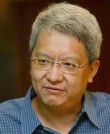 Tutor: Rev. Ron Choong, Executive Director of the Academy for Christian Thought
LLB (London), STM (Yale), MDiv, ThM, PhD candidate (Princeton)
Venue: Community Baptist Church, 107 & 109A, Jalan SS2/6, Petaling Jaya, Malaysia
Time: Friday 5th Sept (8.30- 0 p.m.) & Saturday 6th Sept (9-11 a.m.)
Registration: RM10 per person (Students – RM5)
Materials: Pre-book at RM20 per set, or RM30 at the door (limited copies). Call church office to pre-book materials. Closing date - 2 September 2008.
Email:office@cbcpj.org Tel: 603-80608639
How did the Nation of Israel become the Kingdom of God? When did the Chosen People become the Blessed Church? Ecclesiology began with the New Testament claim that the people of God (Israel) have been reconstituted as a community of both Jews and Gentiles (Ephesians 3:6 and 4:4-6). Membership in the household of God is not by birth but by profession of faith in Jesus Christ.
Topic 2: The Triune God
Unlike the great monotheistic Abrahamic faiths, Christianity is distinguished by the divinity of Jesus. The Trinitarian faith is drawn from both Old Testament (Deu. 6:4) and New Testament (James 2:19), not that there is one God, but that The Lord/God is One. How can one God be three persons with a common will? Can a common will be shared? The persons of the trinity intend with a common will - no agreement is required because no disagreement exists. Their eternal (rather than immortal or everlasting) status means that they never were without a common will. Understanding the Trinity teaches us to identify the common will as the universal church of God.
Topic 3: What About the Other Faiths?
Can those who believe in God outside the church be saved? Can a devout Buddhist, Hindu, Muslim, or Jew be saved? More importantly, whatever your answer, why do you think so?
 Tutor: Rev. Ron Choong, Executive Director of the Academy for Christian Thought
LLB (London), STM (Yale), MDiv, ThM, PhD candidate (Princeton)
Venue: Community Baptist Church, 107 & 109A, Jalan SS2/6, Petaling Jaya, Malaysia
Time: Friday 5th Sept (8.30- 0 p.m.) & Saturday 6th Sept (9-11 a.m.)
Registration: RM10 per person (Students – RM5)
Materials: Pre-book at RM20 per set, or RM30 at the door (limited copies). Call church office to pre-book materials. Closing date - 2 September 2008.
Email:office@cbcpj.org Tel: 603-80608639
Saturday, January 05, 2008
Church Based Theological Education 2008
 CBTE: A consortium of churches in the Petaling Jaya area have banded together in partnership with the Malaysian Baptist Theological Seminary and others to conduct theological education on church premises. You may download the latest schedule here.
 For more details pls contact doreen28@tm.net.my
Having attended some of the courses before, I believe they would go a long way towards alleviating widespread biblical illiteracy. Here is a sample lecture note from Dr Leong Tien Fock on the book of Genesis, courtesy of Alexa.
Thursday, December 13, 2007
Magic Of Christmas
By Yap Yoke Yeow
A TRIP TO BETHLEHEM
In the latest offering by Tom Hanks, The Polar Express, a young boy’s sense of the magic of Christmas fades as he confronts the myth of Santa Claus. But in a series of neck-breaking adventures on a magical train he learns that by believing hope is restored. In Hanks’ deep and lustrous voice, the ticket collector tells him, ‘The most real things in this world can’t be seen or touched.’ Though he finally gets to see AND touch Santa it was only when he believed that the tinkling of sleigh bells could be heard again. The magic was at last restored.
 Rediscovering the real magic of Christmas buried under layers of commercialism on one hand and church activity on the other is a real challenge. Christmas is a good time indeded to find hope again. To experience a miracle.
If Christmas is about restoring hope, what we do we need to believe? What have we lost the ability to hear? What do need to see and touch this Christmas? What is the REAL THING?
Follow me on a journey, not to the North Pole, but East to Bethlehem, 30BC or so to meet some shepherds and their encounter with the real thing.
Read Luke 2:8-20
Ken Gire in Moments with the Saviour, sets the stage:
‘This knot of shepherds on the fringe of Jewish society spends the night atop a stone tower, a couple of them watching the flocks while the others huddle around a fire, catching what sleep they can. Eusebius writes that this watchtower stood about a thousand paces from Bethlehem. Jewish tradition adds that the tower overlooked a special flock of sheep. Sheep set aside for sacrifices.’
The Shepherds
These were the among the few people who first beheld the baby Jesus. Who saw him and touched him as a newborn. And through history we can reach back in time to ‘see and touch’ Jesus too. The baby, whom John tells us is God in the flesh. Coming into the world between the legs of teenage girl barely able to comprehend what was going on. Not an abstract philosophy or a set of beliefs. Not a feel-good story for the year-end. He is real as flesh and blood is real.
But what made it more amazing was that these shepherds were considered an unclean people by religious law (read Lev 11:44 onwards.) They were a shunned minority encamped outside of Bethlehem. Forbidden from temple worship, anyone who touches them also becomes unclean immediately. It was no fun being a shepherd, cast out into unmarked fields and walled off from society. So how could shepherds who are unclean and unfit to come into contact with the Holy – to see and touch God in the flesh?
The Lamb
Ken Gire describes what it would’ve been like for the shepherds to meet Jesus: ‘there amid the straw, with white cloths wound so tightly around him, he looks to them like a newborn lamb… He lies there so meekly. Cradled in the most unexpected of places. Coming.. in the weakest of ways.’
These shepherds who guarded sheep set apart for sacrifices would’ve understood. For centuries, hundreds of thousands of lambs have been slaughtered to make up for the sins of the people. Animal after animal, there was no end to it. They could never truly pay for their sins. Not until this one perfect lamb. The one spotless, blameless and without blemish sent to take away the sins of the world. A perfect sacrifice by one who is without sin. This was a baby born to die. Destined to shoulder our sins and die in our place.
The baby Jesus was both the Holy One and the Lamb who will make the way for God and man to be reconciled. Beyond seeing and touching, that is what we need to believe today. Jesus came to us in flesh and blood. And it is the same flesh that will be pierced years later, on a cross. The same blood that is poured out on Calvary. He came to reach us who are unclean and by His blood make us clean.
When we look at the baby Jesus, we are looking at one, as Gire says, who is ‘Waiting for us to come, yet willing for us not to. Waiting for us to see, yet willing for us to turn away. Waiting for us to worship him, yet willing for us to renounce him… He is Christ the Lord. Yet he has placed himself at the mercy of his creation. At the mercy of strangers to take him in. At the mercy of animals to warm him. At the mercy of mortals to feed him, to protect him, to raise him…’
He invites us to come as we are – though unclean, unwanted and without hope. Stoop low into the manger to see and touch. Believe again that He has been born into our lives to save us. And listen to his unconditional love to you.
‘But Mary treasured up all these things and pondered them in her heart. The shepherds returned, glorifying and praising God for all the things they had heard and seen, which were just as they had been told.’
Like Mary, let us fully receive and deeply rejoice in the miracle of the Holy God born into our lives. Like the shepherds let us worship in humble awe, deeply grateful for our new lives – not as the unclean and unwanted but as the Beloved and the Chosen. For that is the ‘magic of Christmas’ that we need to believe and experience for ourselves.
This message was delivered at Ampang Gospel Centre's Youth Christmas Night on 18 December 2004
A TRIP TO BETHLEHEM
In the latest offering by Tom Hanks, The Polar Express, a young boy’s sense of the magic of Christmas fades as he confronts the myth of Santa Claus. But in a series of neck-breaking adventures on a magical train he learns that by believing hope is restored. In Hanks’ deep and lustrous voice, the ticket collector tells him, ‘The most real things in this world can’t be seen or touched.’ Though he finally gets to see AND touch Santa it was only when he believed that the tinkling of sleigh bells could be heard again. The magic was at last restored.
 Rediscovering the real magic of Christmas buried under layers of commercialism on one hand and church activity on the other is a real challenge. Christmas is a good time indeded to find hope again. To experience a miracle.
 If Christmas is about restoring hope, what we do we need to believe? What have we lost the ability to hear? What do need to see and touch this Christmas? What is the REAL THING?
Follow me on a journey, not to the North Pole, but East to Bethlehem, 30BC or so to meet some shepherds and their encounter with the real thing.
Read Luke 2:8-20
Ken Gire in Moments with the Saviour, sets the stage:
‘This knot of shepherds on the fringe of Jewish society spends the night atop a stone tower, a couple of them watching the flocks while the others huddle around a fire, catching what sleep they can. Eusebius writes that this watchtower stood about a thousand paces from Bethlehem. Jewish tradition adds that the tower overlooked a special flock of sheep. Sheep set aside for sacrifices.’
The Shepherds
These were the among the few people who first beheld the baby Jesus. Who saw him and touched him as a newborn. And through history we can reach back in time to ‘see and touch’ Jesus too. The baby, whom John tells us is God in the flesh. Coming into the world between the legs of teenage girl barely able to comprehend what was going on. Not an abstract philosophy or a set of beliefs. Not a feel-good story for the year-end. He is real as flesh and blood is real.
But what made it more amazing was that these shepherds were considered an unclean people by religious law (read Lev 11:44 onwards.) They were a shunned minority encamped outside of Bethlehem. Forbidden from temple worship, anyone who touches them also becomes unclean immediately. It was no fun being a shepherd, cast out into unmarked fields and walled off from society. So how could shepherds who are unclean and unfit to come into contact with the Holy – to see and touch God in the flesh?
The Lamb
Ken Gire describes what it would’ve been like for the shepherds to meet Jesus: ‘there amid the straw, with white cloths wound so tightly around him, he looks to them like a newborn lamb… He lies there so meekly. Cradled in the most unexpected of places. Coming.. in the weakest of ways.’
These shepherds who guarded sheep set apart for sacrifices would’ve understood. For centuries, hundreds of thousands of lambs have been slaughtered to make up for the sins of the people. Animal after animal, there was no end to it. They could never truly pay for their sins. Not until this one perfect lamb. The one spotless, blameless and without blemish sent to take away the sins of the world. A perfect sacrifice by one who is without sin. This was a baby born to die. Destined to shoulder our sins and die in our place.
The baby Jesus was both the Holy One and the Lamb who will make the way for God and man to be reconciled. Beyond seeing and touching, that is what we need to believe today. Jesus came to us in flesh and blood. And it is the same flesh that will be pierced years later, on a cross. The same blood that is poured out on Calvary. He came to reach us who are unclean and by His blood make us clean.
When we look at the baby Jesus, we are looking at one, as Gire says, who is ‘Waiting for us to come, yet willing for us not to. Waiting for us to see, yet willing for us to turn away. Waiting for us to worship him, yet willing for us to renounce him… He is Christ the Lord. Yet he has placed himself at the mercy of his creation. At the mercy of strangers to take him in. At the mercy of animals to warm him. At the mercy of mortals to feed him, to protect him, to raise him…’
He invites us to come as we are – though unclean, unwanted and without hope. Stoop low into the manger to see and touch. Believe again that He has been born into our lives to save us. And listen to his unconditional love to you.
‘But Mary treasured up all these things and pondered them in her heart. The shepherds returned, glorifying and praising God for all the things they had heard and seen, which were just as they had been told.’
Like Mary, let us fully receive and deeply rejoice in the miracle of the Holy God born into our lives. Like the shepherds let us worship in humble awe, deeply grateful for our new lives – not as the unclean and unwanted but as the Beloved and the Chosen. For that is the ‘magic of Christmas’ that we need to believe and experience for ourselves.
This message was delivered at Ampang Gospel Centre's Youth Christmas Night on 18 December 2004
Monday, April 23, 2007
Church-Based Theological Education
CHURCH BASED THEOLOGICAL EDUCATION (CBTE)
First Baptist Church, City Discipleship Presbyterian Church, PJ Gospel Hall, St. Paul’s Church
 Course Name: Church History 1
Description: The purpose of this course is to survey the church's history from the apostolic era to the beginning of the Reformation (30 - 1500 A.D.) with a special emphasis on theological controversies that have affected Christianity.
Dates: 28 Jul 07, 4 Aug 07 & 1 Sep 07 (3 Saturdays)
Time: 9.00 am to 6.00 pm
Venue: First Baptist Church, Lot 8 Jalan Pantai (9/7), Petaling Jaya
Cost: RM240 (credit) & RM130 (audit)
Credit: 2 Credit Hour/Unit awarded by Malaysia Baptist Theological Seminary.
Closing Date: 1 Jul 2007
A late payment fee of RM20 will be imposed for late registration.
For more information or to register, contact the Registrar, Ms. Doreen Chan, via h/p at 016-2830918 or email doreen28@tm.net.my.
About the Course Instructor
Dr. John Mark Terry is Professor of Missions at the Malaysia Baptist Theological Seminary in Penang. His PhD is from Southwestern Baptist Theological Seminary. Dr. Terry has taught at various seminaries in Asia, Africa and the United States of America and written articles and books on missions and evangelism.
--------------------------------------------------------------------------------
Course Name: Parables
 Description: The purpose of this course is to investigate what a parable is, how parables have been interpreted throughout the history of the church, and what basic principles should be followed in interpreting them. These principles will then be used to interpret certain key parables with an emphasis on preaching the parables.
Dates: 21 Jul 07 & 18 Aug 07 (2 Saturdays)
Time: 9.00 am to 6.00 pm
Venue: First Baptist Church, Lot 8 Jalan Pantai (9/7), Petaling Jaya
Cost: RM80
Credit: 1 Credit Hour/Unit awarded by the Malaysia Baptist Theological Seminary
Closing Date: 1 Jul 2007
About the Course Instructor
Dr. Ben Merkle holds a Ph.D. in New Testament studies and lectures in the region. He has published many scholarly articles in the field of biblical studies.
First Baptist Church, City Discipleship Presbyterian Church, PJ Gospel Hall, St. Paul’s Church
 Course Name: Church History 1
Description: The purpose of this course is to survey the church's history from the apostolic era to the beginning of the Reformation (30 - 1500 A.D.) with a special emphasis on theological controversies that have affected Christianity.
Dates: 28 Jul 07, 4 Aug 07 & 1 Sep 07 (3 Saturdays)
Time: 9.00 am to 6.00 pm
Venue: First Baptist Church, Lot 8 Jalan Pantai (9/7), Petaling Jaya
Cost: RM240 (credit) & RM130 (audit)
Credit: 2 Credit Hour/Unit awarded by Malaysia Baptist Theological Seminary.
Closing Date: 1 Jul 2007
A late payment fee of RM20 will be imposed for late registration.
For more information or to register, contact the Registrar, Ms. Doreen Chan, via h/p at 016-2830918 or email doreen28@tm.net.my.
About the Course Instructor
Dr. John Mark Terry is Professor of Missions at the Malaysia Baptist Theological Seminary in Penang. His PhD is from Southwestern Baptist Theological Seminary. Dr. Terry has taught at various seminaries in Asia, Africa and the United States of America and written articles and books on missions and evangelism.
--------------------------------------------------------------------------------
Course Name: Parables
 Description: The purpose of this course is to investigate what a parable is, how parables have been interpreted throughout the history of the church, and what basic principles should be followed in interpreting them. These principles will then be used to interpret certain key parables with an emphasis on preaching the parables.
Dates: 21 Jul 07 & 18 Aug 07 (2 Saturdays)
Time: 9.00 am to 6.00 pm
Venue: First Baptist Church, Lot 8 Jalan Pantai (9/7), Petaling Jaya
Cost: RM80
Credit: 1 Credit Hour/Unit awarded by the Malaysia Baptist Theological Seminary
Closing Date: 1 Jul 2007
About the Course Instructor
Dr. Ben Merkle holds a Ph.D. in New Testament studies and lectures in the region. He has published many scholarly articles in the field of biblical studies.
Thursday, February 22, 2007
Spiritual Formation and the Kingdom of God

Jesus’ teachings revolve around the kingdom of God. This is synonymous with the kingdom of heaven. Robert Stein noted “the expression is found in sixty-one separate sayings in the Synoptic Gospels. Counting parallels to these passages, the expression occurs over eighty-one times.” The numbers emphasis how central the kingdom of God is to Jesus’ teaching. The kingdom of God is not a political kingdom nor is it an ideological one. The kingdom is about rule of God in the world today. And this has an influence on spiritual formation.
First, spiritual formation in the kingdom of God is the process of submission to the Kingship of Christ. Jesus Christ is the king of this kingdom. An important aspect of spiritual formation is to recognise that Jesus Christ is King, Lord, and Master over our lives. Spiritual formation is the process of gradually learning to give up control and ownership of our own lives and submit it under the kingship of Jesus. This act of submission is sometimes called, “taking up the cross.” The cross in the New Testament times was a punishment designed to humiliate and give a painful death. Dying to our ego is both humiliating and painful. This will mean submitting every aspects of our life under his kingship; relationships, work, and our belongings. Kenneth Boa describes a holistic spirituality when “believers for whom Christ is pre-eminent as the focus of their being and pursuits. These people acknowledge his sufficiency and supremacy by relegating all areas to his rule and authority.” It is in surrender to Christ that we become more like Christ.
Second, spiritual formation in the kingdom of God involves spiritual warfare. Ladd writes, “The kingdom is not an abstract principle; the kingdom comes. It is God’s rule actively invading the kingdom of Satan.” This kingdom is a one that will come at the end of the age and it is already here. It arrived when God came into history as Jesus Christ. Hence the kingdom has an ‘already-not yet’ component. Spiritual formation also means being involved in spiritual warfare. Paul warned the Ephesians that “For our struggle is not against flesh and blood, but against the rulers, against the authorities, against the powers of this dark world and against the spiritual forces of evil in the heavenly realms.” (Eph.6:12). Spiritual formation equips us to put on the full armour of God for spiritual warfare (Eph. 6:13-18). It is in spiritual warfare that spiritual formation engages culture and the world.
Third, spiritual formation in the kingdom of God means living in the presence of God now. Dallas Willard reminds us that the spiritual disciplines are to help us slow down so that we can hear God. Like Brother Lawrence, spiritual formation will help us to discern the presence of God in the mundane, routine of our daily life.
Finally, spiritual formation in the kingdom of God gives us the opportunity to partake of the nature of God (2 Peter 1:4; 1 Jn 3:12). In the end times when the kingdom of God comes again, we shall be like Christ in our whole being. In the Eastern Orthodox tradition, we shall be receiving the deification of theosis. In all instances, we shall achieve our goal be become prefect like Christ when we receive our gloried bodies when Christ comes again.
The kingdom of God allows us another perspective in understanding spiritual formation. It includes the process of submitting to the Lordship of Christ, practicing the presence of God, involvement in spiritual warfare and being part of God’s timing when the kingdom comes in the future.
First, spiritual formation in the kingdom of God is the process of submission to the Kingship of Christ. Jesus Christ is the king of this kingdom. An important aspect of spiritual formation is to recognise that Jesus Christ is King, Lord, and Master over our lives. Spiritual formation is the process of gradually learning to give up control and ownership of our own lives and submit it under the kingship of Jesus. This act of submission is sometimes called, “taking up the cross.” The cross in the New Testament times was a punishment designed to humiliate and give a painful death. Dying to our ego is both humiliating and painful. This will mean submitting every aspects of our life under his kingship; relationships, work, and our belongings. Kenneth Boa describes a holistic spirituality when “believers for whom Christ is pre-eminent as the focus of their being and pursuits. These people acknowledge his sufficiency and supremacy by relegating all areas to his rule and authority.” It is in surrender to Christ that we become more like Christ.
Second, spiritual formation in the kingdom of God involves spiritual warfare. Ladd writes, “The kingdom is not an abstract principle; the kingdom comes. It is God’s rule actively invading the kingdom of Satan.” This kingdom is a one that will come at the end of the age and it is already here. It arrived when God came into history as Jesus Christ. Hence the kingdom has an ‘already-not yet’ component. Spiritual formation also means being involved in spiritual warfare. Paul warned the Ephesians that “For our struggle is not against flesh and blood, but against the rulers, against the authorities, against the powers of this dark world and against the spiritual forces of evil in the heavenly realms.” (Eph.6:12). Spiritual formation equips us to put on the full armour of God for spiritual warfare (Eph. 6:13-18). It is in spiritual warfare that spiritual formation engages culture and the world.
Third, spiritual formation in the kingdom of God means living in the presence of God now. Dallas Willard reminds us that the spiritual disciplines are to help us slow down so that we can hear God. Like Brother Lawrence, spiritual formation will help us to discern the presence of God in the mundane, routine of our daily life.
Finally, spiritual formation in the kingdom of God gives us the opportunity to partake of the nature of God (2 Peter 1:4; 1 Jn 3:12). In the end times when the kingdom of God comes again, we shall be like Christ in our whole being. In the Eastern Orthodox tradition, we shall be receiving the deification of theosis. In all instances, we shall achieve our goal be become prefect like Christ when we receive our gloried bodies when Christ comes again.
The kingdom of God allows us another perspective in understanding spiritual formation. It includes the process of submitting to the Lordship of Christ, practicing the presence of God, involvement in spiritual warfare and being part of God’s timing when the kingdom comes in the future.
Monday, February 19, 2007
The Trinitarian Basis for Spiritual Formation

Spiritual formation is about relationships. What is important to assess is relationship with whom? The answer is spiritual formation is an ongoing relationship with the Triune God. The doctrine of the Trinity is that God reveals himself in the Scripture as God the Father, Jesus the Son, and the Holy Spirit. There is only one God and in the essence of this one Godhead, there are three persons: the Father, the Son and the Holy Spirit. These three persons are neither parts of one another, facets, or modes of existence but are co-equal and co-eternal.Karl Rahner describes the Trinity in a short sentence, “The ‘economic’ Trinity is the ‘immanent’ Trinity and the ‘immanent’ Trinity is the ‘economic’ Trinity” (Rahner 1967, 22)He is uniquely one: “The Lord, our God is one Lord” (Deu.6:4). Read more
Subscribe to:
Posts (Atom)


 Posts
Posts


